Cook more than you need.
That is the rule.
It sounds almost too obvious, but it is one of the most useful habits a home cook can develop. People often think leftovers happen by chance, as if they are the result of cooking too much or misjudging portions. In reality, leftovers are one of the most effective tools for saving time, reducing stress, and staying consistent with healthy eating.
Leftovers are not an accident.
They are a strategy.
When you cook once and eat several times, you change the rhythm of your kitchen. Instead of starting from scratch every day, you build momentum. Meals become easier. Decisions become simpler. The pressure to figure out what to eat at the last minute starts to fade.
One hour of cooking today can save you several hours later in the week.
That is not an exaggeration. Think about the time it takes to plan, shop, prepare, cook, and clean up for a single meal. Now imagine doing that every day. It adds up quickly. But if you cook a larger batch once, you spread that effort across multiple meals. The work stays the same, but the payoff multiplies.
This approach is not about eating the same meal over and over. It is about building components you can use in different ways.
A pot of beans can become tacos one night, soup the next, and a grain bowl later in the week.
A batch of brown rice can turn into stir-fry, stuffed vegetables, or a quick side dish.
Roasted vegetables can be added to salads, wraps, or casseroles.
The food changes, even though the foundation stays the same.
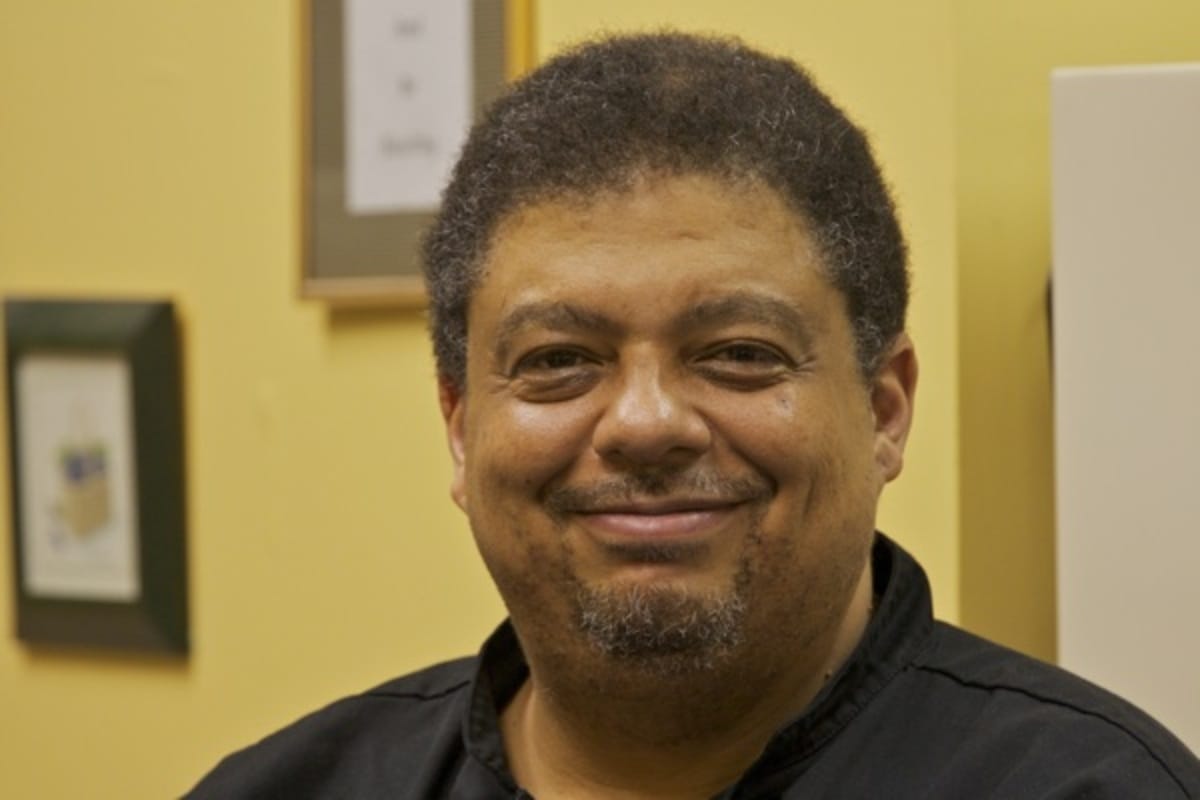
As I write this, I am thinking about my next cookbook. It is called Table For One, and it is written for people like me who do not want copious amounts of leftovers. Cooking for one person is different. Storage space is limited. Appetites vary. Variety matters more. But that does not mean I will not eat a meal twice, or three times. And occasionally I may make a double batch of a recipe that serves two so I can have some next week, especially if it is a dish I really like.
That is the balance.
Cooking more than you need does not mean cooking excessively. It means cooking intentionally. It means planning for tomorrow while you are already in the kitchen today.
For many people, the biggest barrier to healthy eating is not knowledge. It is time. They know what they should eat. They simply do not have the energy to cook every day. That is where this simple rule becomes powerful. Cooking extra creates breathing room in your schedule and stability in your routine.
It also reduces waste. Food that is already prepared is far more likely to be eaten. When the refrigerator holds ready-to-use ingredients, you are less tempted to rely on convenience foods or takeout. You make better choices because the hard part is already done.
This habit is especially important for anyone trying to manage their weight, improve their health, or support a busy household. Consistency matters more than motivation. Systems matter more than willpower. Cooking extra is one of the simplest systems you can put in place.
You do not need a complicated plan to start. Begin with one or two staples each week.
Cook a pot of beans.
Cook a whole grain.
Prepare a tray of vegetables.
That small investment of time creates a foundation for several meals. It keeps your kitchen working for you instead of against you.
In the end, the goal is not perfection.
The goal is reliability.
A dependable kitchen routine makes healthy eating possible on busy days, stressful days, and ordinary days. It turns cooking from a daily burden into a manageable habit.
So keep the rule simple.
Cook more than you need.